




Concept Note 2026 National Conference for Teachers of English Language Builds. Identity Speaks
Keynote Speakers

Junuen Mondragón
is the Regional Manager of Academic Services at National Geographic Learning, bringing over 16 years of experience in English Language Teaching (ELT). He specializes in curriculum development, academic coaching, and teacher training across Latin America.
Junuen Mondragón
is the Regional Manager of Academic Services at National Geographic Learning, bringing over 16 years of experience in English Language Teaching (ELT). He specializes in curriculum development, academic coaching, and teacher training across Latin America.
Previously, he worked at The Anglo Mexican Foundation, where he held various roles, including English teacher, instructional designer, and Head of Training. Junuen is passionate about educational innovation and empowering teachers to achieve professional excellence.
Future-Ready: Preparing Learners For A Changing World
In a world increasingly shaped by technology, globalization, and rapidly evolving workplace demands, preparing learners for the future requires more than English language proficiency.
Today’s students need the ability to think critically, collaborate across cultures, adapt to change, communicate effectively, and embrace lifelong learning.
This session explores what it means to be future-ready and examines why English language education is uniquely positioned to help learners develop the competencies needed to thrive in an increasingly interconnected world. It considers the role that educational institutions, leaders, and educators play in designing learning experiences that foster not only language proficiency but also learner autonomy, adaptability, intercultural competence, and effective communication.
Participants will gain a broader perspective on how future-ready competencies can be embedded in an institution’s educational vision and how English language classrooms can translate that vision into meaningful learning experiences.
Ultimately, the session highlights how English language education can help prepare learners to navigate the challenges and opportunities of a changing world, both academically and professionally, as well as in their personal lives.
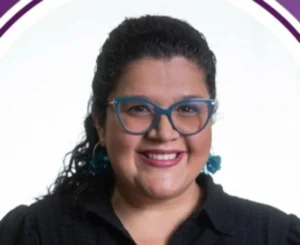
Brenda Pineda
is an English Language Teaching (ELT) professional and Academic Consultant specializing in Higher Education and innovative teacher training. She graduated from the Instituto Especializado de Nivel Superior Centro Cultural Salvadoreño Americano. With over 16 years of experience in the educational field, she currently serves as a Senior Academic Consultant in collaboration with Pearson Education.
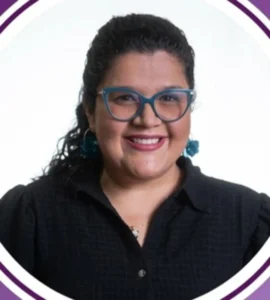
Brenda Pineda
is an English Language Teaching (ELT) professional and Academic Consultant specializing in Higher Education and innovative teacher training. She graduated from the Instituto Especializado de Nivel Superior Centro Cultural Salvadoreño Americano. With over 16 years of experience in the educational field, she currently serves as a Senior Academic Consultant in collaboration with Pearson Education. For over a decade, she has supported and led training and professional development initiatives for faculty teams at universities and schools throughout Latin America.
Raise Your Voice: Learning By Doing In A Digital World
In a world saturated with information, students do not need more content; they need the confidence to speak up and the tools to transform their experiences into meaningful expressions of their own voices. This session revisits David Kolb’s Experiential Learning Theory through the lens of emerging technologies. Moving beyond the traditional classroom, we explore how AI, virtual reality, podcasting, and participatory media are reshaping the four stages of Kolb’s experiential learning cycle. Participants will discover how technology can serve as a powerful amplifier throughout this process: as a medium for experience, a mirror for reflection, and ultimately, a megaphone for students’ voices.
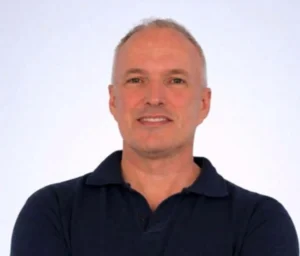
Brad Bawtinheimer
is an international speaker and Senior Professional Learning and Development Consultant at Cambridge Mexico. Originally from Canada and currently based in Mexico City, he specializes in oracy, inclusive teaching practices, Special Educational Needs and Disabilities (SEND), critical thinking, and the ethical use of artificial intelligence in education.
He leads the Oracy League initiative in Mexico, supporting schools in developing Oracy Champions and fostering effective speaking and listening skills among learners. He also holds a master’s degree in Language Education, with a focus on inclusive practices for students with SEND.
Giving Every Student a Voice Through Oracy
Some students rarely feel heard in the classroom, yet every learner deserves meaningful opportunities to express themselves and participate. This session explores how oracy can make English language classrooms more inclusive and engaging by placing purposeful talk and student voice at the heart of learning.
Participants will discover practical oracy strategies they can implement immediately to encourage more students to speak, participate actively, and develop confidence in expressing their ideas.
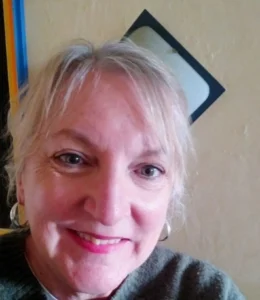
Lisa Mann
Climbing Out of the Uncanny Valley: Expressing Humanity Through Authorial Voice
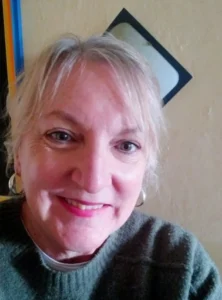
Lisa Mann holds an MA in TESOL from Portland State University and an MA in Translation and Localization from Rovira Virgili University in Spain. She currently works as an international educational consultant, materials developer, online instructor, and thesis supervisor for the MA in Professional Development for Language Education, offered jointly by NILE and the University of Chichester. Her extensive ELT career includes leading national teacher development, academic writing, and curriculum reform initiatives across Europe, Central Asia, and Latin America in collaboration with the US Department of State, the British Council, and TESOL International Association. She frequently delivers workshops and presentations at international conventions on reflective practice, authorial voice, and learner autonomy. She is an active member of TESOL International, TESOL Spain, IATEFL, and the Mediterranean Editors and Translators Association.
Climbing Out of the Uncanny Valley: Expressing Humanity Through Authorial Voice
In this practical workshop, we explore how developing an L2 authorial voice helps students express their authentic identities while learning to work effectively with generative AI outputs. Second language writers often produce formulaic texts that eclipse their personal styles. By examining the distinctive features of human writing, this session provides accessible strategies to support learners in taking true ownership of their work in English. Participants will analyze human and AI-generated texts to identify the unique markers of personal voice and individual expression. Attendees will gain practical insights into how to guide students in transforming generic drafts by incorporating elements of their own identities into their writing. They will leave with flexible tools to help learners write more personally and confidently.

Robert Infante
Beyond Words: Psychological First Aid in ELT

Robert Infante is an Academic Coordinator at ICDA Puerto Plata, with extensive experience in English language education, academic leadership, and student development. He is currently pursuing a degree in Educational Psychology at Universidad Abierta para Adultos (UAPA). He has participated in various professional development opportunities, including Project-Based Learning training through SIT TESOL, and has also volunteered at previous conferences.
His professional interests include educational psychology, empathetic communication, and fostering inclusive learning environments. Through his workshop on Psychological First Aid, he aims to equip educators with practical strategies for using active listening, compassion, and supportive communication to promote well-being and build meaningful human connections.
Beyond Words: Psychological First Aid in ELT
Language doesn't just help us communicate; it can also help people feel safe, understood, and supported. When someone is experiencing emotional distress, language becomes more than a communication tool: it becomes a powerful means of building trust, fostering belonging, and strengthening human connections. Sometimes, individuals may struggle to express what they need, making it even more important to listen with empathy and understanding. Every student has a story, and our responsibility is to create a space where they feel heard, valued, and supported. After all, the words we choose matter.
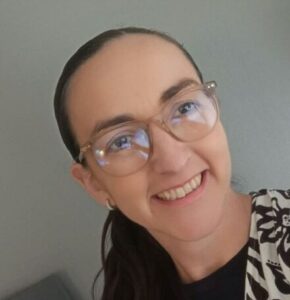
Andrea Espinach
The Heart of Teaching: Prioritizing Teacher Wellbeing
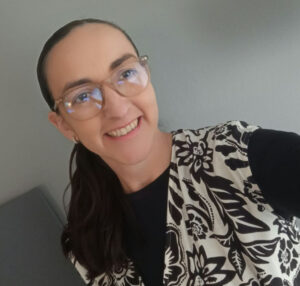
Andrea Espinach Roel is an Educational Services Consultant at Oxford University Press, where she supports English language teaching initiatives across the region. She holds a master's degree in Educational Administration from Universidad Americana de Costa Rica. Before joining the publishing industry, she taught English as a Second Language for over 20 years, working with learners of all ages. Her professional background also includes experience as an Academic Coordinator and in designing English language programs for diverse educational contexts. Andrea is passionate about empowering teachers and students through innovative teaching methodologies that promote communication, critical thinking, creativity, and lifelong learning.
The Heart of Teaching: Prioritizing Teacher Wellbeing
Teacher wellbeing is increasingly recognized as a cornerstone of effective education. As teaching remains one of the most demanding professions, educators face numerous challenges that can affect both their professional performance and personal wellbeing. This session explores what teacher wellbeing entails, why it matters, and how it contributes to student success. Participants will gain practical strategies for building resilience, maintaining a healthy work-life balance, and fostering positive learning environments. By prioritizing their wellbeing, teachers can enhance their professional satisfaction, strengthen their effectiveness, and create conditions in which learners can thrive.

Sabino Morla
Competency-Based Phonetics and Phonology in Today’s EFL Class
Sabino Morla is an English language educator, teacher trainer, and curriculum specialist with extensive experience in English language teaching, applied linguistics, and competency-based education. His professional expertise encompasses phonetics and phonology, pronunciation instruction, communicative language teaching, language assessment, and English for Specific Purposes (ESP). He has designed language curricula, facilitated teacher training programs, and delivered workshops on innovative EFL methodologies. Professor Morla is committed to promoting learner-centered instruction and evidence-based teaching practices that enhance communicative competence. His work focuses on preparing teachers to implement effective, practical, and inclusive language learning experiences across diverse educational settings.
Competency-Based Phonetics and Phonology in Today’s EFL Class
A competency-based approach to teaching phonetics and phonology helps EFL learners develop intelligible, confident, and effective spoken communication. This presentation explores practical strategies for teaching segmental and suprasegmental features through meaningful communicative tasks, technology integration, and formative assessment. Educators will gain classroom-ready techniques to align pronunciation instruction with competency-based learning outcomes and support learners in developing their communicative competence.
Rosandy de los Santos
Language That Sticks: Marketing and Storytelling Techniques for ELT Classrooms
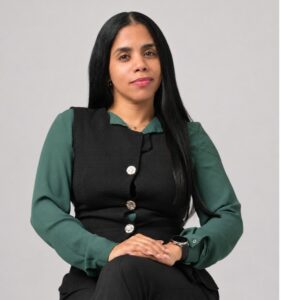
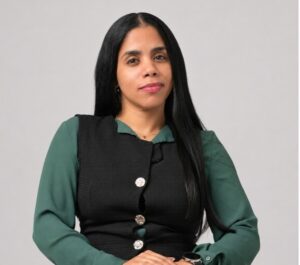
Rosandy De los Santos (Rose Viña) is the Admissions and Marketing Director and Academic Innovation Coordinator at Colegio Internacional SEK Las Américas. She specializes in strategic communication, comprehensive marketing, and educational innovation, with a focus on brand management, content production, and institutional positioning. She previously coordinated youth development initiatives for the Vice Presidency of the Dominican Republic.
Her expertise combines modern storytelling and strategic marketing to transform the way educational institutions and professionals connect with their audiences. She also maintains active connections with local and international networks in communication, marketing, and leadership.
Language That Sticks: Marketing and Storytelling Techniques for ELT Classrooms
Teaching English in an attention-scarce world requires more than traditional grammar drills; it calls for engaging language learning experiences that capture and sustain learners' attention. This session bridges marketing communication strategies and English language teaching (ELT), equipping teachers with practical tools to enhance language acquisition through storytelling, compelling visuals, and authentic contexts.
Attendees will learn how to design vocabulary, grammar, and speaking activities that engage learners and foster confident communication. They will also explore how to adapt content marketing strategies to develop students' listening, speaking, reading, and writing skills in meaningful and integrated ways.
Viviana Canullli
The Language of Belonging: Neuroscience, Neurodiversity and Learner Identity
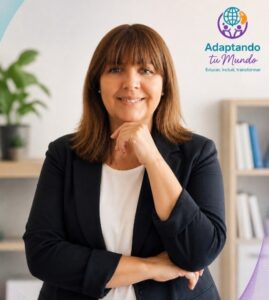
Viviana Inés Canulli holds master's degrees in Neuroscience and Bilingual Education, as well as additional specializations in Educational Inclusion and Diversity. She also has expertise in supporting students with specific educational needs. An English language teaching (ELT) professional, teacher educator, and international speaker, she brings over 30 years of experience in public and bilingual education in Argentina and Uruguay.
She founded Adaptando tu Mundo, an educational program that promotes neurodiversity awareness, inclusion, and equitable learning opportunities. She is also the founder and president of the Asociación Argentina para la Neurodiversidad Educativa y Social, an organization committed to advancing educational and social inclusion for neurodivergent individuals.
Since 2024, she has served as a parliamentarian with the World Parliament for Education, advocating for inclusive, equitable, and transformative education.
The Language of Belonging: Neuroscience, Neurodiversity and Learner Identity
Language learning involves not only cognitive processes but also the development of identity, emotional well-being, and a sense of belonging.
Drawing on insights from neuroscience and neurodiversity, this presentation explores how individual differences shape language learning experiences and the development of learner identity.
It examines how emotions, attention, memory, and classroom interactions influence learners’ confidence, engagement, and participation.
Particular attention is given to the barriers neurodivergent learners may face in English Language Teaching (ELT), highlighting the importance of creating inclusive learning environments that recognize and accommodate diverse needs.
Claudio Polonia
Hard Skills and Soft Skills in Education
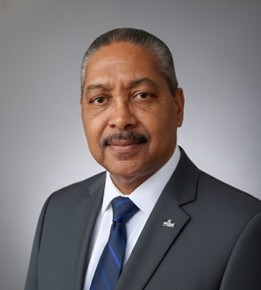
Claudio Polonia has over 35 years of experience in education, having worked in a variety of academic settings throughout his career. He holds a master's degree in Education with a major in English and is currently pursuing a doctoral degree in Virtual Education at BIU International University.
He works at the Instituto Cultural Domínico Americano (ICDA), where he contributes to both the Language School and the Universidad Domínico Americano (UNICDA). Throughout his career, he has demonstrated a strong commitment to academic development and the continuous improvement of teaching and learning.
Hard Skills and Soft Skills in Education
Contemporary education requires teachers to combine technical expertise with strong interpersonal skills. This workshop explores how hard skills, such as curriculum design, data analysis, assessment, and educational technology (including generative AI), complement soft skills, such as communication, empathy, adaptability, collaboration, and emotional intelligence, to enhance teaching and learning.
Participants will explore practical classroom strategies, including differentiated instruction, alignment with Bloom’s Taxonomy, and Universal Design for Learning (UDL). They will also engage in experiential activities, such as a “Two Truths and a Lie” communication task and a case analysis focused on student test anxiety.
The session introduces a four-step framework for developing soft skills model, define, practice, and reflect as well as a balanced model for evaluating educators.

Ricardo Hernández
Beyond Fluency: Addressing CLT’s Limitations in the Development of Intercultural Communicative Competence
Ricardo Antonio Hernández Beltrán holds a bachelor's degree in Economics from the Universidad Autónoma de Santo Domingo (UASD) and is currently pursuing a master's degree in Teaching English as a Foreign Language at Universidad Domínico Americano (UNICDA). He works as an English as a Foreign Language (EFL) teacher at the Instituto Cultural Domínico Americano (ICDA), where he promotes communicative, learner-centered language instruction.
His professional interests include Communicative Language Teaching, Second Language Acquisition, Intercultural Communicative Competence, and teacher development. He is also completing a TESOL certification through World TESOL Academy.
Beyond Fluency: Addressing CLT’s Limitations in the Development of Intercultural Communicative Competence
Traditional language teaching often focuses primarily on fluency, while treating culture as a secondary aspect of language learning. As a result, students may have limited opportunities to develop the deeper cultural awareness and critical thinking skills needed to communicate effectively across cultures.
This workshop examines the limitations of conventional communicative language teaching approaches in today's increasingly diverse world. It introduces practical strategies for moving beyond basic conversational skills toward meaningful intercultural learning.
Participants will leave with practical, classroom-ready ideas to help students develop genuine intercultural communicative competence.

Grey Gómez
Teacher identity in the AI Era: What Stays Human
Grey Estherlina Gomez Sandoval is currently pursuing a degree in Foreign Language Education at Universidad Domínico Americano in the Dominican Republic. She works as an English teacher at Instituto Domínico Americano, where she has gained experience teaching learners at different proficiency levels.
Throughout her teaching career, she has taught more than 800 students, supporting their English language development through student-centered and communicative teaching approaches. Her professional interests include language acquisition, innovative teaching strategies, and continuous professional development in English Language Teaching (ELT).
She is committed to creating meaningful learning experiences and helping students develop confidence in their ability to communicate in English.
Teacher identity in the AI Era: What Stays Human
Generative AI is becoming part of English teachers’ daily practice, and emerging research suggests that teachers respond to it in different ways, ranging from resistance to adoption. Drawing on research on teacher identity and investment (Beauchamp & Thomas, 2009; Darvin & Norton, 2021), this interactive workshop explores an important question: When AI helps us write feedback and communicate with students, whose voice do they hear?
Participants will engage in hands-on activities, including sorting teaching tasks into three categories: those they would delegate to AI, share with AI, or keep for themselves. They will also analyze classroom dilemmas and develop a personal guideline for using AI in their teaching practice.
This workshop is open to teachers working in schools, language institutes, and universities. No prior experience with AI is required.
Izette Encarnación
Fostering Students’ Agency Through Responsive Instructional Decisions
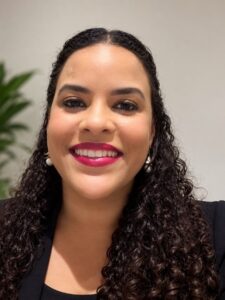
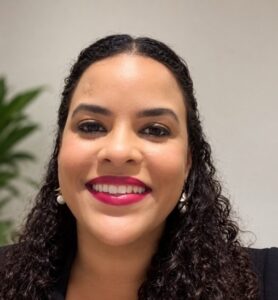
Izzete Encarnacion holds an MA in Educational Innovation, Technology, and Entrepreneurship from the University of North Carolina in the United States and an MS in Educational Leadership and Management from the University of Portsmouth in England.
She currently serves as an International Consultant at Participate Learning, a university professor at Universidad Domínico Americano, and a Learning and Development Specialist at Teleperformance. She is also the co-founder of Grupo Raiz.
With over a decade of experience in English Language Teaching (ELT), her professional background spans classroom instruction, school leadership, and educational consulting. Her areas of expertise include designing, implementing, and managing language programs across educational and corporate settings, as well as curriculum development, teacher mentoring, and professional learning. She is a fellow of LatinxEd, a U.S.-based education organization.
Fostering Students' Agency Through Responsive Instructional Decisions
Creating opportunities for students to use English meaningfully and build confidence can be challenging when teachers must balance curriculum demands with classroom constraints. Under pressure, teachers may rush through lessons or overlook learners’ actual needs.
In this session, participants will explore a practical reflection process that encourages them to question assumptions, listen to students, and make informed instructional decisions aligned with their teaching goals. Working collaboratively, they will analyze classroom dilemmas from diverse educational contexts and identify feasible adjustments that promote authentic communication.
Participants will leave with a practical process they can apply in their own classrooms to foster learner voice, meaningful participation, and student agency.

Grey Gómez & David Rodriguez
David Miguel Rodríguez Nolasco
The Words We Use Shape the Classroom
David Miguel Rodríguez Nolasco is an English language educator and a student at Pontificia Universidad Católica Madre y Maestra (PUCMM), where he is pursuing a degree in Foreign Languages with a concentration in English. He has teaching experience in both public and private educational settings, where he has also collected and analyzed student learning data to better understand learners’ needs, progress, and classroom dynamics.
Throughout his teaching practice, he has applied a variety of instructional approaches and strategies to address students’ diverse backgrounds, learning contexts, and individual needs. His professional interests include language teaching methodologies, educational research, differentiated instruction, teacher development, and inclusive classroom practices.
He is passionate about creating meaningful learning experiences, promoting inclusive education, and continuously developing his professional practice as an educator.
Grey Estherlina Gomez Sandoval is currently pursuing a degree in Foreign Language Education at Universidad Domínico Americano in the Dominican Republic. She works as an English teacher at Instituto Domínico Americano, where she has gained experience teaching learners at different proficiency levels.
Throughout her teaching career, she has taught more than 800 students, supporting their English language development through student-centered and communicative teaching approaches. Her professional interests include language acquisition, innovative teaching strategies, and continuous professional development in English Language Teaching (ELT).
She is committed to creating meaningful learning experiences and helping students develop confidence in their ability to communicate in English.
The Words We Use Shape the Classroom
The language teachers use does more than deliver content; it communicates expectations, responds to mistakes, and can either encourage or limit student participation. This interactive workshop explores how everyday teacher language including questions, wait time, feedback, and correction can convey implicit messages that students interpret in different ways.
Using a five-step reflection sequence (teacher language, hidden message, student interpretation, student response, and classroom environment), participants will examine familiar classroom expressions and consider how these may shape student participation and classroom relationships.
The session connects to the conference theme through two perspectives: Language Builds, which explores how words shape the classroom environment, and Identity Speaks, which considers how communication reflects teachers’ values and beliefs.
Participants will practice rephrasing a classroom expression and leave with one specific language change to implement in their teaching practice.
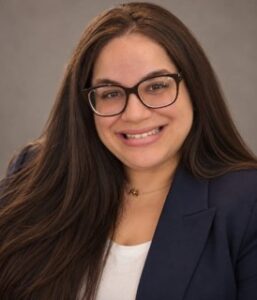
Deborah Larrauri
What Happens When Students Rewrite the Rules?
Deborah Larrauri is an English as a Second Language (ESL) educator and a training and development specialist. She currently teaches English and has professional experience in corporate training, curriculum development, and learner engagement.
Her professional development includes specialized training in instructional design and learning effectiveness assessment. She is particularly interested in exploring how artificial intelligence influences language learning, learner identity, and authentic self-expression.
What Happens When Students Rewrite the Rules?
What happens when students become active decision makers in their own learning? This interactive presentation introduces a five-stage approach designed to foster student-centered classrooms, increase Student Talking Time (STT), and strengthen learner agency. By negotiating communication norms, learning activities, and assessment criteria, students engage in authentic interactions in English while developing confidence, critical thinking, and collaborative communication skills.

Emilia Diaz, Penelope Torres and Karol Felipe
The Power of Culture and Identity in English Language Learning.

Karol Felipe Gómez holds a degree in Business Administration from UNAPEC and is completing a master’s degree in Senior Management at UASD. With over four years of experience in education, teacher training, academic coordination, and project management, she specializes in developing and implementing strategic learning programs. She coordinates the ESP for Journalists program, sponsored by the U.S. Embassy in the Dominican Republic through UNICDA, and works as a Planning and Development Analyst at FUNDAPEC. She also volunteers as a trainer and mentor, supporting youth and women in entrepreneurship, leadership, and business development.
Emilia Michel Díaz Novas is pursuing a degree in Foreign Language Education at Universidad Domínico Americana and serves as Sunday Academic Supervisor for the Adult Program at ICDA’s Language School. An EFL and ELE educator, she has experience in programs such as KOICA and private tutoring, and has received several workplace excellence awards for her teaching performance. Her professional interests include teacher development, learner identity, and cultural exchange, with a focus on creating reflective learning environments through language.
Penélope Torres Díaz is an award-winning educator and speaker currently pursuing a degree in Foreign Language Education at Universidad Domínico Americana (UNICDA). She works as an Elementary Teacher Assistant at Dominico-American School and has taught in ICDA’s Spanish for Foreigners program. Her experience also includes presenting at the 2025 Rally Quisqueya Awards and facilitating Professional Learning Program (PLP) workshops on VARK learning styles and project-based learning. A recipient of the ICDA Excellence Award, she is committed to innovative, inclusive, and student-centered education.
The Power of Culture and Identity in English Language Learning.
Grounded in ACTE 2026’s focus on identity, this presentation explores how language functions as a form of symbolic power in shaping learners’ identities and cultural awareness. Moving beyond linguistic accuracy, it examines how Intercultural Communicative Competence (ICC) can help learners use English not to replace their cultural roots, but to engage with other perspectives while developing an open-minded sense of identity. Educators will explore practical, task-based strategies that value local stories and cultural experiences while fostering empathy, intercultural understanding, and a global perspective.
Andrea Espinach
The Human Side of Learning: Integrating SEL in the Language Classroom
Andrea Espinach Roel is an Educational Services Consultant at Oxford University Press, where she supports English language teaching initiatives across the region. She holds a master's degree in Educational Administration from Universidad Americana de Costa Rica. Before joining the publishing industry, she taught English as a Second Language for over 20 years, working with learners of all ages. Her professional background also includes experience as an Academic Coordinator and in designing English language programs for diverse educational contexts. Andrea is passionate about empowering teachers and students through innovative teaching methodologies that promote communication, critical thinking, creativity, and lifelong learning.
The Human Side of Learning: Integrating SEL in the Language Classroom
Socio-Emotional Learning (SEL) plays a vital role in creating meaningful and successful language learning experiences. This session explores how emotional awareness, self-confidence, and interpersonal skills support language acquisition and learner engagement in English language teaching (ELT). Participants will discover practical strategies for building psychological safety, encouraging active participation, and addressing learners’ emotional needs. Through real-world examples and ready-to-use classroom activities, attendees will gain practical tools to foster inclusive, supportive, and dynamic learning environments where learners feel empowered to communicate, take risks, and achieve their language goals.
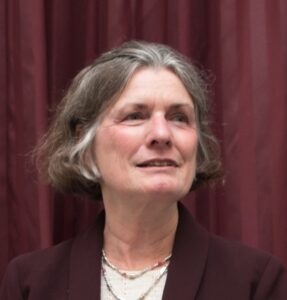
Deborah Kennedy
Connecting Student Learning Outcomes with Classroom Language Teaching
Deborah Kennedy is an experienced educator specializing in adult language learning and Languages for Specific Purposes (LSP), with expertise in instructional design, teacher training, materials and assessment development, and program management. Through Key Words, her woman-owned small business, she provides consulting services in language skills development and related fields to professional associations, research organizations, educational institutions, and businesses. As a faculty member of TESOL International Association, she teaches in the TESOL Core Certificate and TESOL Certificate: Advanced Practitioner programs and has developed online self-study modules on high-leverage teaching practices. She also serves as an advisor on program design and evaluation for TESOL International Association and the Center for Applied Linguistics, as well as a subject matter expert for the CREATE Adult Skills Network, which explores effective ways of integrating technology into adult learning.
Her previous projects include developing and teaching an online professional writing course for multilingual English learners employed in the U.S. Intelligence Community and developing The Essentials of Language Teaching, an informational website for new language teachers, for the National Capital Language Resource Center. Ms. Kennedy holds a master's degree in Teaching English as a Second Language from American University in Washington, DC.
Connecting Student Learning Outcomes with Classroom Language Teaching
This interactive workshop guides participants in identifying and articulating the connections between classroom learning activities and learning outcomes that students can apply in real-world workplace and community contexts. Participants explore the four elements of a meaningful learning objective: context, communication task, language skill area, and demonstration of achievement. They then develop learning objectives tailored to the students they serve and analyze selected textbook activities to determine how they can be adapted to support the achievement of these objectives.
Izzete Encarnación
Exploring Our Teacher Identity to Recognize Our Learners
Izzete Encarnacion holds an MA in Educational Innovation, Technology, and Entrepreneurship from the University of North Carolina in the United States and an MS in Educational Leadership and Management from the University of Portsmouth in England.
She currently serves as an International Consultant at Participate Learning, a university professor at Universidad Domínico Americano, and a Learning and Development Specialist at Teleperformance. She is also the co-founder of Grupo Raiz.
With over a decade of experience in English Language Teaching (ELT), her professional background spans classroom instruction, school leadership, and educational consulting. Her areas of expertise include designing, implementing, and managing language programs across educational and corporate settings, as well as curriculum development, teacher mentoring, and professional learning. She is a fellow of LatinxEd, a U.S.-based education organization.
Exploring Our Teacher Identity to Recognize Our Learners
Understanding our learners' identities and needs begins with recognizing how our own learning experiences shape our teaching beliefs and assumptions. Drawing on my teaching journey, I will share how professional learning and reflection have challenged my assumptions and helped me become more responsive while maintaining high expectations. Participants will reflect on a meaningful learning experience of their own and consider how it has influenced their teaching practices. This plenary invites educators to approach their students' learning journeys with greater curiosity, empathy, and openness.
Deborah Larrauri
Who Owns Your Voice When AI Speaks for You?
Deborah Larrauri is an English as a Second Language (ESL) educator and a training and development specialist. She currently teaches English and has professional experience in corporate training, curriculum development, and learner engagement.
Her professional development includes specialized training in instructional design and learning effectiveness assessment. She is particularly interested in exploring how artificial intelligence influences language learning, learner identity, and authentic self-expression.
Who Owns Your Voice When AI Speaks for You?
As artificial intelligence reshapes English Language Teaching (ELT), an important question emerges: Does AI enhance learners' voices or gradually replace them?
This interactive presentation explores how AI-generated corrections influence linguistic identity, authenticity, and learner agency. Participants will discover practical strategies for balancing linguistic accuracy with authentic self-expression.
Ultimately, this presentation challenges educators to reconsider what it truly means to help learners find their voices in a second language.
Alexandra García
Becoming Through Language: Identity, Practice, and Transformation in Language Education
Dr. Alexandra J. García M. holds a Ph.D. from Western Michigan University and a master's degree from Nova Southeastern University. She is an experienced educator and English Language Teaching (ELT) professional with more than 30 years of experience across various institutions. Throughout her career at UNICDA/ICDA, she has contributed to the continued growth and development of English language teaching and teacher education programs. She currently serves as a professor, researcher, and academic leader committed to excellence in higher education. Her professional interests include language assessment, curriculum development, educational research, and the integration of technology into language learning. Dr. García M. has participated in numerous academic and professional initiatives aimed at improving English language education and is an active member of the Council for the Study of Community Colleges (CSCC). She remains committed to educational innovation, lifelong learning, and the advancement of the ELT profession.
Becoming Through Language: Identity, Practice, and Transformation in Language Education
This presentation explores identity as a dynamic, evolving process rather than a fixed trait. Drawing on sociocultural and language education perspectives, it examines how identity is continuously shaped by language, lived experiences, relationships, cultural contexts, and professional practices. Particular attention is given to the language classroom as a space where learners and teachers co-construct meaning, negotiate roles, and develop new understandings of themselves and others.
By viewing language as both a tool for communication and a means of identity formation, the presentation highlights how every interaction creates opportunities for personal and professional transformation. Ultimately, it argues that identity is not simply something individuals possess, but something they actively become through their engagement with language and with one another.
Anilka Casado
From Silence to Voice: What Makes Adult English Learners Willing to Speak? Research-Informed Strategies for Building Willingness to Communicate
Anilka Casado is an English language educator, teacher trainer, researcher, and pedagogical advisor. She holds master's degrees in Applied Linguistics in TEFL, Educational Management, and Curriculum Design, as well as a specialization in English Education and additional studies in Educational Psychology. She currently serves as a Pedagogical Advisor and Supervisor for MESCyT's English Immersion Program and teaches at the university level.
She is also an experienced Cambridge Speaking Examiner, conference presenter, workshop facilitator, curriculum developer, and teacher trainer. Her professional interests include Willingness to Communicate, Language and Identity, Brain-Smart Teaching, Neuroscience in ESL, teacher development, curriculum design, and evidence-based practices in English language teaching.
From Silence to Voice: What Makes Adult English Learners Willing to Speak? Research-Informed Strategies for Building Willingness to Communicate
Why do some English learners readily participate while others remain silent, even when they have the language skills to communicate? This interactive session explores Willingness to Communicate (WTC) among adult learners and the classroom conditions that influence their decisions to speak. Grounded in research, the presentation examines the roles of teacher support, peer interaction, speaking anxiety, and communicative activities.
Through hands-on activities and realistic classroom scenarios, teachers will explore practical strategies for creating safe, engaging, and communication-rich learning environments. Participants will leave with research-informed approaches they can immediately adapt to help learners build confidence, take communicative risks, and find their voices in English.

Marian Valdez
Your Obsession is the Path in PBL
Marian Valdez is passionate about words as an art form. Her mission is to develop accessible techniques that help students navigate writing in English as a Foreign Language (EFL) through Project-Based Learning (PBL). At ISFODOSU, she leads the English Creative Writing Club, an extracurricular initiative focused on exploring, deconstructing, and creating diverse text forms based on students' interests. She holds a bachelor's degree in Modern Languages from UASD, where she is also a member of the Languages School team. Committed to continuous professional development in writing, she looks forward to pursuing further specialization in Literature and Curriculum Development.
Your Obsession is the Path in PBL
What obsesses you, and how do you integrate it into your teaching? You don't?! Obsessions aren't necessarily a bad thing. In Project-Based Learning (PBL), teachers and students work as a team, and their shared interests and passions can become valuable starting points for meaningful learning experiences. This session explores practical steps for designing compelling projects that transform these "obsessions" into a shared passion for learning among everyone involved.
Juan Francisco de La Rosa
The Power of Words in The Lives of Language Learners
Juan De La Rosa holds a master's degree in Education with a specialization in TESOL from Nova Southeastern University. He has presented at numerous conferences locally and internationally. With over 30 years of experience teaching English as a Foreign Language (EFL), he also served as a pedagogical coordinator during the final 12 years of his career. He currently teaches EFL at ICDA and is a retired teacher from the Dominican Republic's Ministry of Education (MINERD).
The Power of Words in The Lives of Language Learners.
Words can have a powerful impact on people of all ages; they can build up or tear down. Through this presentation, we will explore how words can transform students' lives and inspire them to do their best throughout their wonderful learning journey.
Yudelka Cedeño & Edmery Batista
Teaching with Intention: Designing Lessons That Give Students a Voice
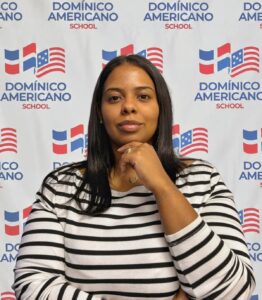
Yudelka Cedeño holds a master's degree in Speech Therapy in the Educational Context from CEUPE and a bachelor's degree in Elementary Education. She is a SIT TESOL-certified English and Language Arts teacher at Dominicano Americano School in the Dominican Republic, where she teaches sixth grade. Her professional interests include student-centered learning, inclusive education, and accessible instructional practices. In 2024, she presented From Classroom to Safe Zone: Ensuring Comfort Without Compromising Content at an educational conference. She is also pursuing professional development as a Becoming a UDL Facilitator participant, further strengthening her expertise in inclusive teaching.
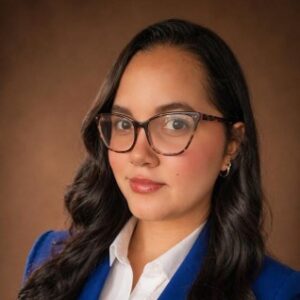
Edmery Batista is an elementary homeroom teacher at Dominico Americano School with over 10 years of experience in education. She holds a master's degree in Teaching English as a Second Language from Universidad Domínico Americano (UNICDA), a SIT TESOL Certificate, and specialized training in digital education, competency-based assessment, and creative thinking. She has served as a course facilitator for the Teacher Development Center (TDC), presented at the Annual Conference for Teachers of English, and currently works as a Spelling Bee Coach. Her professional interests include educational technology, formative assessment, academic vocabulary instruction, and the purposeful integration of artificial intelligence to promote student engagement, critical thinking, and independent learning.
Teaching with Intention: Designing Lessons That Give Students a Voice
Effective English language teaching goes beyond delivering content; it involves making intentional decisions that create meaningful opportunities for student participation. This session explores how small changes in lesson planning, instructions, questioning techniques, and classroom interactions can strengthen student voice and agency. Drawing on SIT TESOL principles and inclusive instructional practices, participants will explore practical approaches to designing student-centered lessons. Through hands-on activities and classroom-based examples, educators will reflect on how intentional teaching practices can foster engagement, confidence, and meaningful language use.
Liliana Liceaga
Engaging Students Through Meaningful Tasks
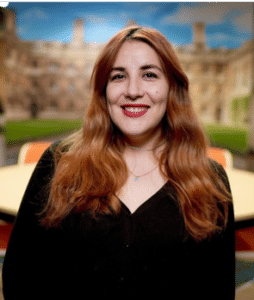
Liliana Liceaga is an academic consultant with 18 years of experience in English language teaching, including 12 years in teacher training. She holds the Cambridge DELTA Module 2 qualification, several diplomas in ELT methodology, and a degree in Social Psychology. Drawing on her experience as a teacher, trainer, academic supervisor, and organizational development coordinator, she supports educators in refining their practice and creating meaningful learning experiences. Her work is guided by her belief in the transformative power of education.
Engaging Students Through Meaningful Tasks
Have you ever struggled to pique your students’ interest and keep them engaged for more than 30 seconds? Join us to discover how reimagining traditional classroom activities can give students a clear purpose while keeping engagement and energy levels high. You’ll explore practical ways to transform familiar activities into meaningful, engaging learning experiences that motivate students to participate.

Jay Gopalan
Making Learning Visible: Evidence from AI-Supported English Practice
Jay Lee-Gopalan holds an A.B. in Mathematics and Philosophy, with a secondary field in Economics, from Harvard University. He is the co-founder and CEO of Jinso Labs, an AI company that partners with binational centers across Latin America to support English language learning. Jinso has reached more than 50,000 students across 19 countries. Jay leads the company's research on learning outcomes, measuring student progress through their interactions with an AI tutor. He has presented this work at binational center conferences throughout the region.
Making Learning Visible: Evidence from AI-Supported English Practice
This session presents a study of AI-supported English practice at binational centers across Latin America, featuring new data from the Dominican Republic. Jay explains how students’ conversations with an AI tutor can provide evidence of learning progress and what the findings reveal about the relationship between practice and language development.

Kari Joy Thomas
Beyond “I’m Fine”: Integrating Identity, Emotion, and Agency into ELT
Kari Joy Thomas holds a Bachelor of Science in Cognitive Science and Neuroscience, with an emphasis in Language and Communication, from the University of Arizona. She currently serves as a Peace Corps TEFL Volunteer in the Dominican Republic, where she collaborates with Dominican English teachers to develop classroom resources and support primary-level English language instruction.
Before beginning her Peace Corps service, Kari worked as a special education teacher, leading a self-contained kindergarten classroom and supporting students with diverse learning needs. In this role, she worked with bilingual students, integrated English language learning into classroom instruction, and differentiated her teaching approaches to address individual language development needs. Her professional experience also includes curriculum development, individualized instruction, and teacher training.
As part of her current service, Kari leads the development of regional TEFL conferences in collaboration with the Peace Corps, promoting practical teaching strategies, professional collaboration, and ongoing professional development among English language educators in the Dominican Republic.
Beyond “I’m Fine”: Integrating Identity, Emotion, and Agency into ELT
English language learning can give students opportunities to express themselves in new ways by sharing who they are, how they feel, and their interests, experiences, and perspectives. Drawing on research on identity, learner agency, and social-emotional learning (SEL), this presentation explores how teachers can build on familiar English lessons to create meaningful opportunities for self-expression. We will examine how teachers can expand familiar language structures, introduce meaningful variations, and give students greater choice in how they communicate.
Participants will explore practical strategies for incorporating emotional vocabulary, student choice, and self-expression into everyday language instruction while maintaining the structure students need to learn. These small changes can open up new possibilities for students to make English their own, using what they learn to express who they are, share what they think and feel, and communicate what matters to them.
Juan Carlos Rivera
Unlocking Professional Growth: Leveraging RELO Panama’s Professional Development Resources for English Language Educators
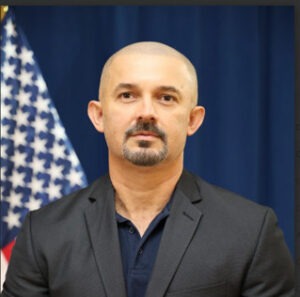
Juan Carlos has been involved in education most of his life. He has completed several undergraduate and graduate degrees, international certifications, courses, and seminars in the United States, Brazil, Singapore, and Costa Rica; most of them are related to education, TESOL and ICTs.
He has taught from elementary school to college in Panama and the United States. From 2004 to 2007, he was distinguished with an opportunity to work as a foreign-exchange teacher in the United States under the sponsorship of the Visiting International Faculty Program. In addition, He has also held some management positions. Currently, he is the Regional English Language Office Assistant at the US Embassy in Panama.
Unlocking Professional Growth: Leveraging RELO Panama's Professional Development Resources for English Language Educators
The Regional English Language Office (RELO) at the U.S. Embassy in Panama provides extensive professional development resources for English language educators across Central America, South America, and the Caribbean. This presentation will showcase key opportunities including teacher training courses, webinars, online professional, and access to cutting-edge teaching materials. Participants will discover how to leverage RELO's programs for professional advancement and access networks connecting experienced practitioners. Attendees will leave with actionable strategies to enhance their teaching skills and advance their careers through RELO's comprehensive professional development ecosystem.
Luis Frias
Fostering Language Building and Identity Through Innovative Practices and Competenced-Based Approach
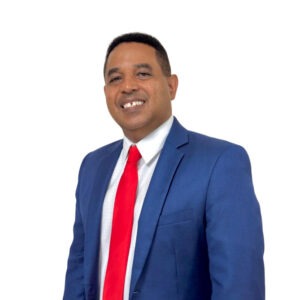
Luis Frias holds master's degrees in Languages and Education University Management and is a TESOL specialist. He has more than 30 years of experience in the field of English language teaching, including teaching, directing, and designing training programs for ESL/EFL teachers. He currently serves as Director of INCAPROLE (Instituto Nacional de Capacitación de Profesores de Lenguas Extranjeras) and as a professor at UNIBE. He is also an experienced conference speaker and teacher trainer, having presented and delivered training programs throughout the Dominican Republic, Puerto Rico, and the United States.
Fostering Language Building and Identity Through Innovative Practices and Competenced-Based Approach
This workshop equips teachers with effective strategies, techniques, and practical approaches to help learners develop specific, measurable skills and competencies that they can apply in real-world situations. It emphasizes building functional English proficiency, enabling learners to communicate effectively and confidently in personal, academic, professional, and intercultural contexts.

Rosa Ares
Building Strong Readers and Writers: Rethinking Literacy for the ESL Classroom

Rosa María Ares specializes in Clinical Psychology of Child Development, having studied at Tufts University, and in Child Psychotherapy at Harvard University. Throughout her professional career, she has worked as a psychologist in the Child and Adolescent Psychiatric Unit at New England Medical Center. She also served as an evaluator of community projects focused on child protection and early childhood development at the United Nations Children's Fund (UNICEF) headquarters in New York.
She currently directs and oversees the Assessment and Diagnosis, Clinical Developmental Intervention, and Special Education Intervention departments at Centro Integral de Desarrollo Infantil (@CIDIChildren). Through CIDI's child development intervention program, she has contributed to the well-being and behavioral, academic, and emotional development of more than 1,200 children and their families.
Through her foundation, CIDIChildren Fund, she leads initiatives and provides support to promote child development and learning in the Dominican Republic. Rosa María is a Fulbright alumna, a JICA grant alumna, and an international member of the American Psychological Association (APA).
Building Strong Readers and Writers: Rethinking Literacy for the ESL Classroom
Too many English as a Second Language (ESL) students are taught to read and write as if every brain learns in the same way, while teachers are often expected to rely on a single method to meet the needs of learners with different strengths and learning styles. This keynote makes the case for a different starting point: literacy instruction grounded in how learners process language through sight, sound, movement, and touch, working together rather than in isolation.
Drawing on a structured, research-informed approach to multisensory instruction, this presentation challenges educators to move beyond one-size-fits-all literacy teaching and toward classrooms where every student's pathway to reading and writing is recognized and supported. Rather than simply introducing more techniques, it invites educators to rethink what readiness, rigor, and inclusion mean in literacy instruction.
Participants will leave not with a checklist, but with a renewed sense of purpose: the conviction that every learner can become a confident reader and writer, along with practical direction for beginning to make that vision a reality in their classrooms.

Juan Soto-Franco
AI BBC – Should AI Be Banned from Classrooms?

Juan Soto-Franco is an educator, writer, and poet with extensive experience in language education. He holds two master's degrees from Ohio University: one in Computer Education and Technology (2020) and another in Applied Linguistics (2004). He earned a bachelor's degree in Modern Languages, with a concentration in English, from Universidad Autónoma de Santo Domingo (UASD) in 1992. He is currently pursuing a master's degree in Spanish Education for Secondary School Students Who Are Non-Spanish Speakers at City College of New York. He teaches Expository Writing at Hostos Community College (HCC) in the Bronx, New York, and French and Spanish at Cardinal Hayes High School.
His literary work includes publications in HCC newsletters and magazines, including Touchstone, as well as MICROS magazine. In 2026, five of his original Spanish-language poems were published in the LACUHE 10th poetry collection, and two additional original poems, one in English and one in Spanish, appeared in Hostos's Peace and Poetry anthology. He also participated as a poetry reader in the 5th International Encounter of Poets, Narrators and Plastic Artists in New York (August 2026). In October 2026, he presented at MINERD's online 5th Seminar, Prácticas Innovadoras y Transformadoras en la Enseñanza-Aprendizaje del Idioma Inglés. In June 2025, he was recognized by Dominican Republic President Luis Abinader for his academic excellence and community service. He is a member of TESOL, DR-TESOL, and Centro PEN Internacional.
AI BBC - Should AI Be Banned from Classrooms?
Generative AI is reshaping how high school teachers approach writing instruction and assessment, making final written products less reliable as the sole evidence of student learning. This presentation introduces practical strategies for designing AI-aware assessments that make students' thinking, writing processes, and authorship more visible.
Participants will explore how to determine when AI use should be prohibited, limited, or intentionally incorporated into writing assignments. They will also examine strategies such as in-class writing, revision reflections, oral conferences, and documentation of AI use to better understand students' learning processes. Ultimately, this session helps teachers design assessments that preserve authentic student voice, promote responsible AI literacy, and provide meaningful evidence of what students genuinely know and can do.

Yissel Familia
Start with the Learner: Human Centered Design for Teachers
Yissel Familia holds a Master of Business Administration from Barna Management School and a degree in Chemical Engineering from Universidad Pedro Henríquez Ureña (UNPHU). She recently earned her certification as an SIT TESOL Trainer through World Learning, further strengthening her commitment to teacher education. Since 2018, she has been part of the Instituto Cultural Dominico Americano (ICDA), where she teaches English, Chemistry, and Physics at the high school level at Dominico Americano School. She has also supported teachers in integrating technology and digital resources into their instructional practices.
She has presented at the Annual Conference for Teachers of English from 2023 to 2025, an event organized in collaboration with the U.S. Embassy, National Geographic, ICDA, and the Teacher Development Center. Her professional development includes Designing Effective Teacher Training Sessions (World Learning), Professional Development for Teacher Trainers (Arizona State University), and Advanced Training in Digital Education (UNIR).
Start with the Learner: Human Centered Design for Teachers
Every student walks into our classrooms carrying more than their grades reveal: skills, knowledge, relationships, and experiences that often go unnoticed. This working session combines asset-based thinking with human-centered design to help teachers recognize and build on the strengths their students already bring. Participants will use these insights, along with empathy for learners, to identify a real classroom challenge and generate practical ideas to address it. Through brief, collaborative activities, teachers will leave with a strengths-based perspective on their students and a simple, learner-centered idea they can put into practice right away.
Alba Paniagua
Meaningful Conversations
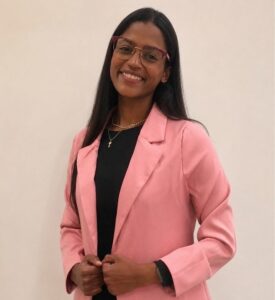
Alba Paniagua is an elementary school teacher at a bilingual school and an English language educator at APEC's School of Languages, where she teaches English as a Foreign Language (EFL). She holds a degree in English Teaching from Universidad Domínico Americano (UNICDA) and has completed all three modules of the Teaching Knowledge Test (TKT), achieving Band 3 in each module.
Meaningful Conversations
Meaningful communication goes beyond producing grammatically correct sentences; it requires learners to understand the purpose behind what they are saying. This presentation explores how teachers can transform traditional classroom conversations into relevant, student-centered communication experiences. Through practical examples, participants will compare scripted or disconnected scenarios with situations that reflect students’ realities and interests.
The session examines how factors such as proficiency level, age, context, topic complexity, and personal relevance should inform the design of speaking tasks. Participants will reflect on whether the conversations they assign genuinely prepare learners to communicate beyond the classroom. Ultimately, the session aims to inspire educators to make relevance a central element of effective language-learning conversations.

Junuen Mondragón
New Minds, New Ways: Teaching with Insight in a Changing World
Junuen Mondragón is the Regional Manager of Academic Services at National Geographic Learning, bringing over 16 years of experience in English Language Teaching (ELT). He specializes in curriculum development, academic coaching, and teacher training across Latin America.
Previously, he worked at The Anglo Mexican Foundation, where he held various roles, including English teacher, instructional designer, and Head of Training. Junuen is passionate about educational innovation and empowering teachers to achieve professional excellence.
New Minds, New Ways: Teaching with Insight in a Changing World
Today’s classrooms are shaped by rapid technological advances, increasingly diverse learner profiles, and evolving educational expectations. This workshop equips teachers with practical strategies to engage Generation Z and Generation Alpha learners, embrace neurodiversity, and design inclusive learning experiences that promote motivation and success.
Participants will explore the characteristics and learning preferences of these generations, discover tools for flexible and personalized instruction, and learn how to incorporate Universal Design for Learning (UDL) principles into lesson planning. The session will also examine innovative assessment approaches that move beyond traditional testing to promote equity and relevance.
By the end of the workshop, teachers will have practical ideas for creating dynamic, learner-centered environments that respond to the diverse needs of today's students and the demands of a changing world.

Heidi Faust
Scaffolding and Differentiating Virtual Learning for Learner Engagement and Success
Dr. Heidi Faust holds a Ph.D. in Language, Literacy, and Culture from the University of Maryland, Baltimore County (UMBC), and a master's degree in Teaching English to Speakers of Other Languages (TESOL) from the University of Turabo, Puerto Rico.
She currently serves as Director of Global Partnerships and Programs at TESOL International Association, where she oversees international development initiatives and program implementation aimed at advancing the quality of English language teaching and learning. In this role, she works in partnership with U.S. embassies, ministries of education, higher education institutions, public and private organizations, and nonprofits.
Dr. Faust is also an English Language Specialist for the U.S. Department of State and a language and literacy consultant for the Center for Applied Linguistics. She has recently led large-scale English teacher development programs on topics including virtual learning, project-based learning, STEM, English for Specific Purposes, learner-centered and communicative language teaching, and leadership and management.
Prior to joining TESOL International Association, Dr. Faust directed TESOL Professional Training Programs at UMBC and served as an ESL Technical Assistance Facilitator for the Pennsylvania Department of Education. She has also served on the Board of Directors of Maryland TESOL.
Scaffolding and Differentiating Virtual Learning for Learner Engagement and Success
Maximize learner engagement and success by applying scaffolding and differentiation techniques that address diverse strengths, needs, and learning contexts in online environments. This interactive presentation will explore ways to help learners navigate technology, develop their language skills, and access digital learning opportunities.
Participants will examine four approaches to differentiating virtual learning and explore practical strategies that support learners in both high-tech and low-tech environments. Drawing on examples from successful programs, they will gain practical insights and leave with a checklist to help promote successful virtual learning experiences.
Amaury Beltré-García
Speak English, Stay Dominican: Communicating Effectively Without Losing Your Identity
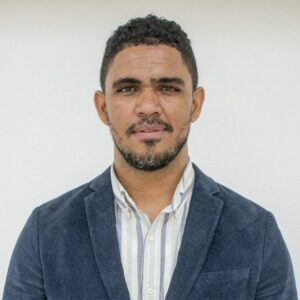
Amaury Rafael Beltré-García holds a bachelor's degree in Modern Languages, with a major in English, and two master's degrees from Universidad Autónoma de Santo Domingo (UASD): one in Applied Linguistics to English Language Teaching and the other in Scientific Research Methodology. He is currently pursuing a Ph.D. in Philology and Linguistic and Literary Studies at the Universidad Nacional de Educación a Distancia (UNED) in Spain.
With more than 15 years of experience in English language teaching, he teaches English at UASD's San Juan campus. He also teaches and coordinates the Diplomado Intensivo de Inglés para Docentes at ISFODOSU's Urania Montás campus. Additionally, he coordinates the Grupo de Estudios Avanzados en Lingüística Aplicada y Didáctica del Inglés (GEALADI).
His research has been presented at national and international academic conferences, including events organized by IDEICE, UCATEBA, UASD, and ISFODOSU. He has authored several research publications and served as a manuscript reviewer for ENSAYOS. Revista de la Facultad de Educación de Albacete, the International Journal of New Education (IJNE), and the Revista Caribeña de Investigación Educativa (RECIE).
Speak English, Stay Dominican: Communicating Effectively Without Losing Your Identity
This interactive workshop explores how Dominican English learners can develop communicative competence while maintaining their linguistic and cultural identities. Grounded in perspectives on identity, capital, and ideology, it challenges the assumption that English proficiency requires native-like pronunciation or cultural assimilation.
Through reflective discussions, pronunciation practice, cultural storytelling, and role-play, participants will explore practical strategies for enhancing intelligibility, fluency, and communicative confidence. The workshop promotes an inclusive approach to English language teaching that values linguistic diversity, strengthens learner agency, and recognizes Dominican identity as an asset in meaningful communication.
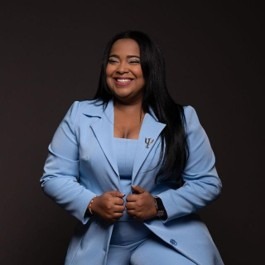
Gabriela Deschamps
Beyond Participation: Practical Neuroinclusive Strategies for the English Classroom
Gabriela Deschamps is a clinical psychologist and English language educator. She holds a bachelor's degree in Clinical Psychology, a master's degree in Clinical and Health Psychology, and a master's degree in Cognitive Behavioral Psychotherapy. She is currently pursuing a master's degree in Applied Linguistics for English Language Teaching. With eight years of experience teaching English, her work focuses on integrating principles of mental health and cognitive neuroscience into educational practice.
Beyond Participation: Practical Neuroinclusive Strategies for the English Classroom
English language classrooms often have implicit expectations about how learners should participate, communicate, and demonstrate their language proficiency. For some learners, these expectations can create barriers that have little to do with their actual English abilities. This presentation introduces a practical, neuroinclusive approach to identifying classroom barriers and adapting instruction without requiring teachers to diagnose neurodivergence.
Participants will explore strategies to support learner access, processing, participation, and communication while maintaining meaningful learning objectives. Through classroom scenarios and the NOTICE → ADAPT → OBSERVE framework, teachers will examine how offering different pathways to learning and participation can strengthen learner voice and agency.
Ultimately, the session connects neuroinclusive practice with learner identity by exploring how educators can create more opportunities for every learner to have their voice heard, valued, and expressed.
Rosandy de los Santos
The Teacher as a Brand: Elevating Your Professional Voice
Rosandy De los Santos (Rose Viña) is the Admissions and Marketing Director and Academic Innovation Coordinator at Colegio Internacional SEK Las Américas. She specializes in strategic communication, comprehensive marketing, and educational innovation, with a focus on brand management, content production, and institutional positioning. She previously coordinated youth development initiatives for the Vice Presidency of the Dominican Republic.
Her expertise combines modern storytelling and strategic marketing to transform the way educational institutions and professionals connect with their audiences. She also maintains active connections with local and international networks in communication, marketing, and leadership.
The Teacher as a Brand: Elevating Your Professional Voice
In today’s interconnected world, an educator’s influence extends far beyond the classroom walls. This session explores how teachers can leverage strategic communication and personal branding to position themselves as thought leaders while advancing their careers.
By cultivating a strong media presence and professional reputation, educators can showcase their expertise beyond the classroom, transforming individual credibility into a powerful contributor to institutional prestige.
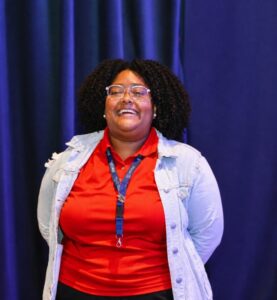
Karla Reyes
Beyond the Script: Using Character to Build Student Voice
Karla Reyes is a Humanities and Drama educator at the Dominico Americano School, where she has worked since 2018. She is completing her degree in Clinical Psychology at Universidad Nacional Pedro Henríquez Ureña, with only her thesis presentation remaining. Her English language teaching experience includes working in ICDA’s Playful Learning Program, leading iGrow Language Arts, and teaching English and Literature. Since 2021, she has led Drama instruction, primarily in English. Her professional development includes College Board’s Pre-AP Theatre educator training, as well as studies in acting and scenic pedagogy. Her teaching interests include meaningful language use, creative interpretation, and student voice.
Beyond the Script: Using Character to Build Student Voice
This 50-minute concurrent session explores how character interpretation can create opportunities for meaningful English language use, perspective-taking, and student voice. Designed primarily for teachers of adolescents, it connects with the theme “Language Builds. Identity Speaks” through a classroom experience drawn from a Grade 11 Drama course taught primarily in English.
While developing a reinterpretation of Alice for a student production, the teacher drew inspiration from the portrayal of Emily Dickinson in the television series Dickinson. This served as a starting point for exploring social expectations, creative aspirations, and the possibility of choosing a different path.

Denisse Espejo Ventura
Beyond First Impressions: The Pygmalion Effect in EFL
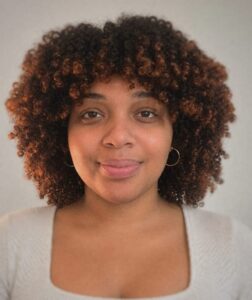
Denisse Nicole Espejo Ventura graduated from the ICDA Language Program in 2018 and earned her degree in Education, with a concentration in Foreign Languages (English), summa cum laude from Universidad Domínico Americana (UNICDA). She is currently pursuing a technical certificate in Data Science at Talendig, building on her strong foundation in mathematics and experience in logic competitions.
She teaches in the Juniors, Adults, and Playful Learning programs at the ICDA Language School and has worked as an independent ESL tutor since 2022. From 2022 to 2025, she also taught in the English Immersion Program. Her professional experience spans multiple age groups and program levels within English language teaching in the Dominican Republic.
Combining her background in language instruction, mathematics, and data analysis, Denisse is interested in investigating the empirical factors and patterns that influence student academic achievement.
Beyond First Impressions: The Pygmalion Effect in EFL
Teacher expectations can shape classroom interactions, learning opportunities, and students’ perceptions of their own abilities. This interactive presentation explores the Pygmalion effect in English language teaching, examining how educators’ beliefs and expectations can influence student performance, motivation, and confidence.
Through research-informed examples and classroom scenarios, participants will reflect on implicit biases, self-fulfilling prophecies, and the various factors that contribute to student success or struggle. An anonymous poll and guided discussions will encourage teachers to question their initial assumptions and critically examine their own practices.
By the end of the session, participants will have a deeper understanding of how teacher expectations can influence learning, along with practical ideas for fostering more equitable and supportive EFL classrooms.
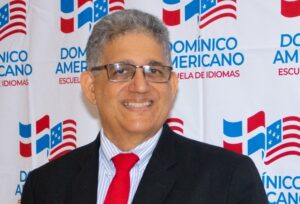
José Bernard
10 Common EFL Myths Debunked by Science
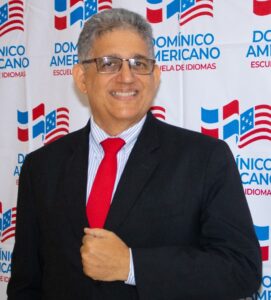
José Bernard is a TESOL professional with 40 years of experience in English language education and a strong background in academic leadership, program coordination, and teacher development. He holds Cambridge English Teaching Knowledge Test (TKT) certifications at Band 3 and has served as an EFL instructor, English program coordinator, and teacher trainer. He currently teaches at the Instituto Cultural Dominico-Americano and contributes to the professional development of English language educators at INCAPROLE.
10 Common EFL Myths Debunked by Science
This interactive 50-minute workshop bridges the gap between cognitive science and everyday language instruction by examining ten widespread myths in English as a Foreign Language (EFL) teaching. Drawing on findings from meta-analytic research and frameworks from cognitive neuroscience, the session challenges common misconceptions about second language acquisition.
Rather than following a traditional lecture format, the workshop uses a nine-stage participatory design to keep attendees actively engaged. Participants will take part in diagnostic quizzes, case study analyses, peer-back exercises, and metacognitive reflection tasks, all designed to encourage critical thinking and promote evidence-based classroom practices.
Rosanna Viña
Break Prejudices and Barriers (Decide to be Persevering and Successful)

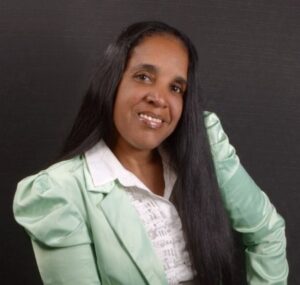
Rosanna Antonia Viña Valdez holds a bachelor's degree in Modern Languages, with a major in English, from the Autonomous University of Santo Domingo (UASD). She also holds a master's degree in Applied Linguistics for the Teaching of English as a Foreign Language from the same institution.
She currently teaches at Matías Ramón Mella School in the afternoon and Las Palmas High School in the evening, where she encourages students to develop leadership skills and pursue scholarship opportunities and cultural exchange programs. She also teaches adults in the PREPARA High School Program.
In 2018, Rosanna was recognized as an Outstanding Teacher in the TEA Program for her leadership in organizing educational camps, academic trips, and community projects. She also won the international project competition Cleaning Our Community: Preventing Dengue.
Break Prejudices and Barriers (Decide to be Persevering and Successful)
This presentation introduces a therapeutic and pedagogical tool designed to help students and adults overcome psychological barriers. It also explores strategies for managing large groups, maintaining participants’ motivation, and encouraging them to discover and develop their identities.